Cuando has perdido la fe. When you've lost your faith.
¿Realmente la puedes recuperar si estás destrozado? Can you really get it back when you're broken?
Un libro nacido de una crisis real: 10 capítulos para nombrar la pérdida silenciosa de la fe, atravesar la culpa y volver, paso a paso, al altar. Con base bíblica (NVI) y una guía de preguntas para grupos pequeños. A book born out of a real crisis: 10 chapters that name the silent loss of faith, walk through guilt, and lead you back to the altar, step by step. Grounded in Scripture (NIV), with a discussion guide for small groups.
✅ Ya disponible en Amazon — Kindle ($7.99 USD) y tapa blanda ($14.99 USD). Cómpralo en Kindle → · Cómpralo en tapa blanda → ✅ Available now on Amazon — Kindle ($7.99) & paperback ($14.99). Get your copy today →
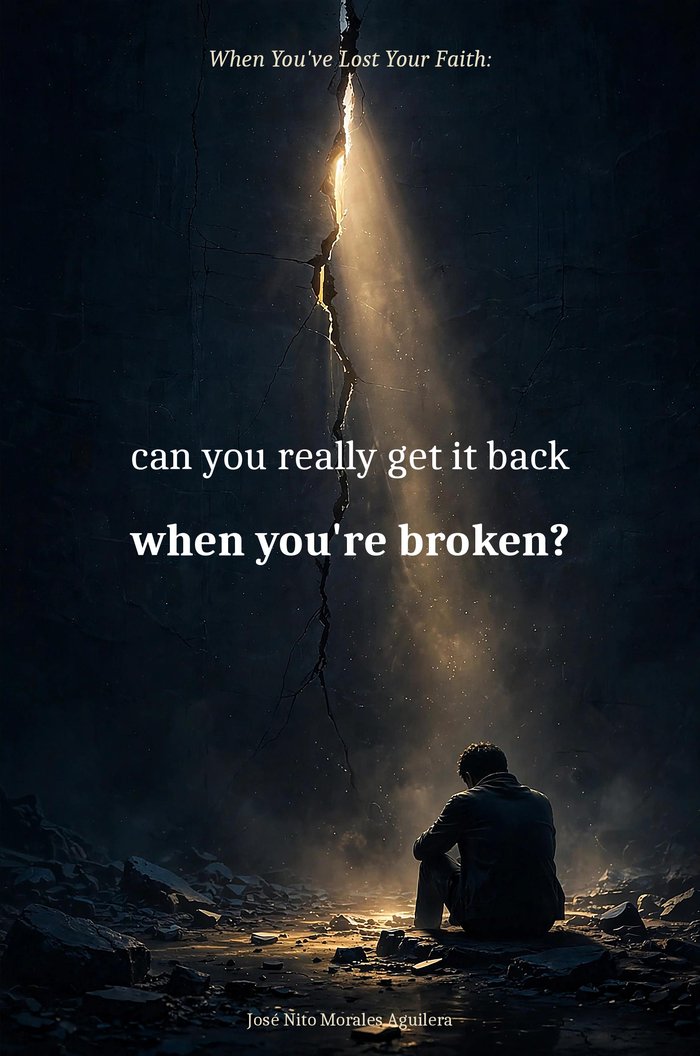
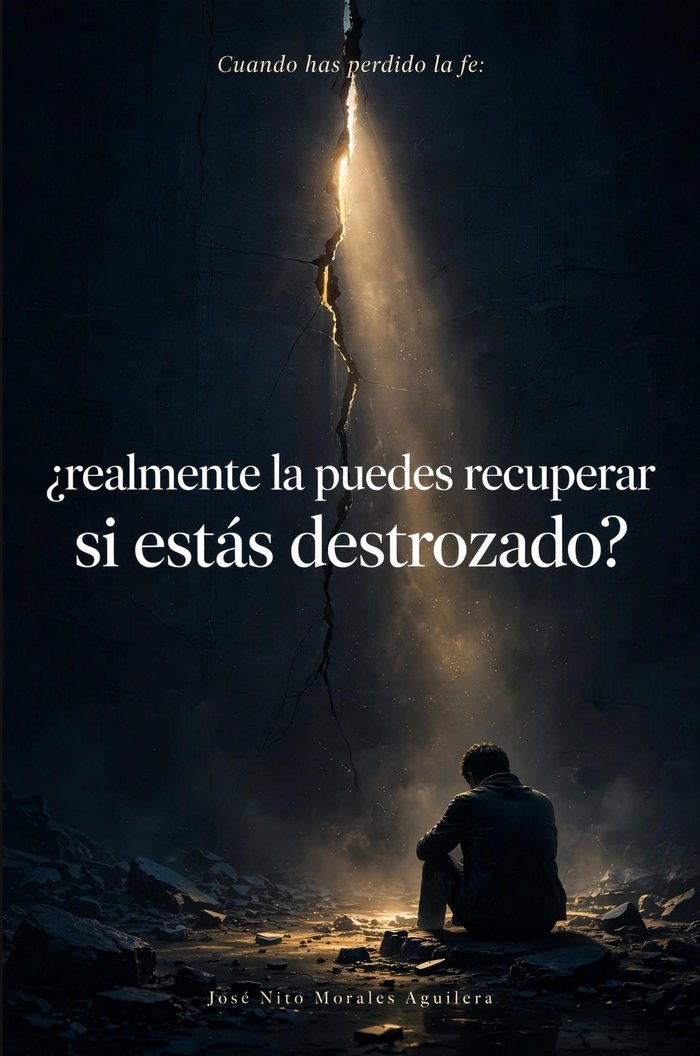
👆 Toca una portada para verla completa 👆 Tap a cover to see it in full
Un camino de vuelta al altar.A road back to the altar.
Este libro nació en oración, el día en que su autor se dio cuenta de que llevaba tiempo pidiéndole cosas a Dios sin sentir ya ninguna conexión real con Él: solo preguntas, vergüenza, culpa y un cansancio difícil de explicar. Como el valle de huesos secos de Ezequiel, la pregunta no era si la fe podía revivir, sino si alguien se atrevería a creerlo otra vez. This book was born in prayer, the day its author realized he had been asking God for things for a long time without feeling any real connection to Him anymore — only questions, shame, guilt, and an exhaustion that's hard to explain. Like Ezekiel's valley of dry bones, the question wasn't whether faith could live again, but whether anyone would dare believe it could.
"El gran amor del Señor nunca se acaba, y su compasión jamás se agota. Cada mañana se renuevan sus bondades; ¡muy grande es su fidelidad!"Lamentaciones 3:22-23, NVI "Because of the Lord's great love we are not consumed, for his compassions never fail. They are new every morning; great is your faithfulness."Lamentations 3:22-23, NIV
Organizado en tres partes —el desierto y la crisis, el proceso de restauración, y una nueva identidad en la presencia de Dios— este no es un libro teórico. Es el instrumento de autodirección que su propio autor usó para volver, capítulo a capítulo, escrito para cualquiera que sienta que su fe se secó y no sepa si todavía hay vida ahí. Organized in three parts — the desert and the crisis, the process of restoration, and a new identity in God's presence — this isn't a theoretical book. It's the self-guided instrument its own author used to find his way back, chapter by chapter, written for anyone who feels their faith has dried up and isn't sure there's still life in it.
Para quién esWho it's for
Cualquiera que se haya alejado de Dios en silencio y quiera reconectar, sin importar cuánto tiempo haya pasado.Anyone who has quietly drifted from God and wants to reconnect, no matter how much time has passed.
Base bíblicaScripture-grounded
Cada capítulo se apoya en la Nueva Versión Internacional (NVI). Al final incluye un apartado con todas las citas bíblicas del libro, ordenadas conforme a su aparición en cada una de las tres partes.Every chapter is grounded in the New International Version (NIV). At the end you'll find a section listing every Scripture citation in the book, ordered by where it appears in each of the three parts.
Guía para gruposSmall-group guide
Preguntas de reflexión por capítulo, listas para usarse en grupos pequeños o consejería pastoral.Reflection questions for every chapter, ready to use in small groups or pastoral counseling.
Dos edicionesTwo editions
Texto completo en español e inglés, en Kindle y tapa blanda, para compartirlo sin importar el idioma.Full text in Spanish and English, in Kindle and paperback, so you can share it regardless of language.
Lo que vas a recorrer.What you'll walk through.
Diez capítulos organizados en tres partes, del quiebre silencioso de la fe hasta un nuevo comienzo.Ten chapters organized in three parts, from the silent break of faith to a new beginning.
La pérdida silenciosa de la feThe silent loss of faith
El camino perfecto hacia el abismo.The perfect path to the abyss.
La sombra de la culpaThe shadow of guilt
Cuando el pasado pesa más que la gracia.When the past weighs more than grace.
El Dios que busca al que se escondeThe God who seeks the one who hides
Aun cuando te escondes, Él te sigue buscando.Even when you hide, He keeps seeking you.
Las aguas amargas de la vidaThe bitter waters of life
Cuando el camino duele.When the road hurts.
El fuego del altar se puede encender de nuevoThe fire on the altar can be lit again
Debajo de las cenizas, todavía hay brasas.Underneath the ashes, embers still remain.
Arrepentimiento activoActive repentance
La belleza de la restitución y la gracia.The beauty of restitution and grace.
Sostener los brazos cansadosHolding up tired arms
Nadie restaura su fe completamente solo.No one rebuilds their faith completely alone.
Sanando la amarguraHealing bitterness
Transformando el dolor en dulzura.Turning pain into sweetness.
Caminando en santidad cotidianaWalking in everyday holiness
Santidad no es perfección, es dirección.Holiness isn’t perfection — it’s direction.
Un nuevo comienzoA new beginning
No vuelves al mismo lugar; vuelves más fuerte.You don’t return to the same place — you return stronger.
Todo lo puedes recuperarYou can recover it all
La comunión, el amor, la paz, el poder y la vida eterna, y el llamado final a volver a Dios hoy mismo. Dios está esperando que te decidas a hacerlo, y este libro es el primer paso que te acompañará día a día en todo el proceso.Communion, love, peace, power, and eternal life, and the final call to come back to God today. God is waiting for you to decide to take that step, and this book is the first step that will walk with you day by day through the whole process.
Lee gratis el Capítulo 1.Read Chapter 1 for free.
Sin correo, sin WhatsApp, sin compromiso. Solo queremos que sientas si esta historia te habla, antes de decidir si el libro es para ti. No email, no WhatsApp, no strings attached. We just want you to feel whether this story speaks to you before deciding if the book is for you.
Escrito desde la crisis, no desde la teoría.Written from the crisis, not from theory.

José Nito Morales Aguilera es amante de la música, la adoración, la convivencia con jóvenes, los drones y la enseñanza basada en principios bíblicos. Es ingeniero de sistemas informáticos y director general de una empresa de servicios para el sector energético en Poza Rica, Veracruz, México. Es padre de cuatro hijos y ha servido en el ministerio cristiano desde 2006, hace más de veinte años. José Nito Morales Aguilera loves music, worship, spending time with young people, flying drones, and teaching from the Bible. He is a systems engineer and the general director of an energy-sector services company in Poza Rica, Veracruz, Mexico. He is a father of four and has served in Christian ministry since 2006 — more than twenty years.
En 2022, después de más de 25 años de trayectoria profesional, José atravesó una crisis personal profunda que sacudió su fe, su familia y el rumbo de su vida, alejándolo de la iglesia por un tiempo prolongado. De ese proceso nació "Cuando has perdido la fe", su primer libro: una guía de autoayuda honesta y cercana para quienes sienten que se alejaron de Dios y no saben cómo volver. In 2022, after more than 25 years in his career, José went through a deep personal crisis. It shook his faith, his family, and the direction of his life, and it kept him away from church for a long time. Out of that experience came "When You've Lost Your Faith," his first book — an honest, personal guide for anyone who feels they've drifted from God and doesn't know how to come back.
José no escribe desde la teoría, sino desde el camino real de regreso al altar. Su convicción es simple: no hace falta estar bien para empezar de nuevo, solo dar un paso. José doesn't write from theory. He writes from his own road back to God. His message is simple: you don't have to have everything figured out to start again. You just need to take one step.
Hoy vive esa restauración que describe en el libro. Ha vuelto a la comunión con Dios y camina hacia una vida de santidad, sin la tristeza ni el lamento que una vez lo acompañaron. José no es alguien fuera de lo común ni un caso especial — es la prueba de que Dios puede hacer grandes cosas en cualquier persona dispuesta a darle su lugar y seguir su voz. Esa es la misma esperanza que quiere compartir contigo. Today, José lives out the restoration he writes about. He has returned to a close relationship with God and is working toward a life of holiness, free from the sadness and regret that once weighed him down. He isn't someone special or extraordinary — he's proof that God can do great things in anyone who is willing to give Him first place and follow His voice. That's the same hope he wants to share with you.
"No se trata solo de ser cristianos o no serlo... se trata de darte cuenta de lo silencioso que es separarte voluntariamente de la fuente de vida." "This isn't just about being a Christian or not... it's about realizing how silently you can drift away from the source of life."
¿Tienes una pregunta?Have a question?
Hablemos.Let's talk.
Escríbenos para reservar tu ejemplar, recibir aviso del lanzamiento en Amazon, o pedir la guía de preguntas para tu grupo pequeño.Reach out to reserve your copy, get notified when it launches on Amazon, or request the small-group discussion guide.
CorreoEmail
jose.nito.aguilera@gmail.comUbicaciónLocation
Poza Rica, Veracruz · México
 Contáctanos por WhatsAppChat with us on WhatsApp